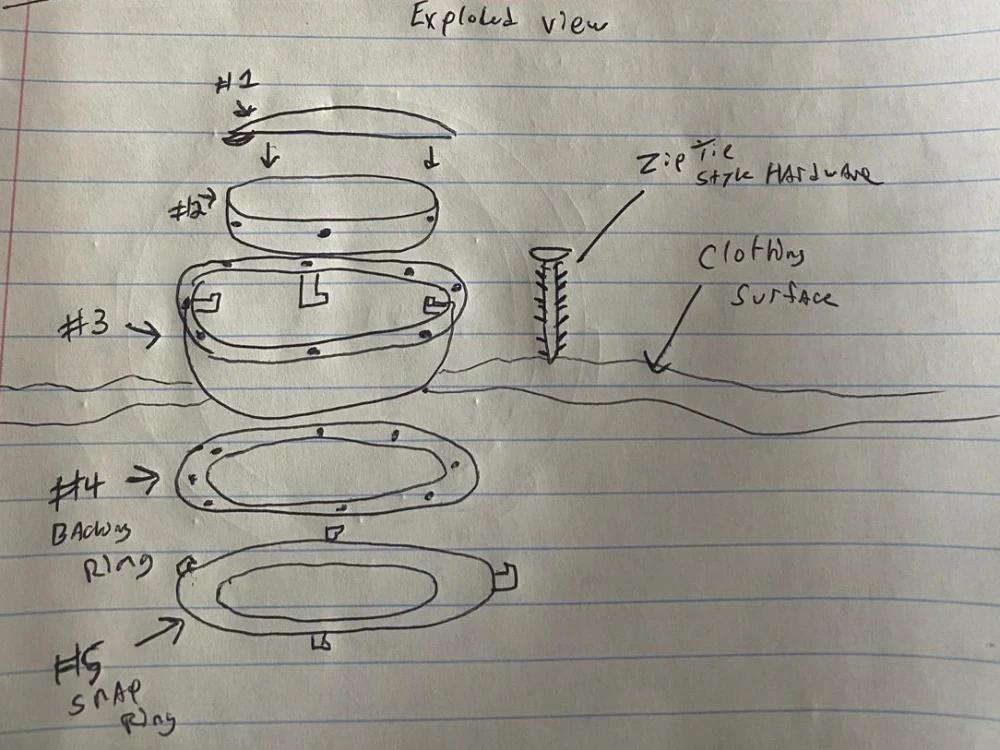
The problem the inventor wanted to solve.
PRODUCT ENGINEERING & CAD DESIGN
Give your concept the dimensions, materials, and engineering detail it needs to move forward.
We help develop your idea into 3D CAD models and technical drawings that support prototyping, manufacturing conversations, and clearer production quotes.
Take the Product Blueprint assessment to see whether engineering and CAD design are your next step.
ASSEMBLY DIRECTION
DATUM
The datum. Everything locates from it.
A material decision, not a shape.
Needs clearance to turn inside 01.
Comes off first when it is serviced.
Carries the features that add tooling cost.
An organized list of the parts, materials, and components included in the design.
FIT QUESTIONS
Examined as the parts come together.
EXAMINED IN CAD
Do the parts fit together as intended?
EXAMINED IN CAD
Do material choices suit the product’s intended use?
EXAMINED IN CAD
Is there enough clearance for moving components?
EXAMINED IN CAD
Can the product be assembled and serviced?
EXAMINED IN CAD
Which features add unnecessary manufacturing complexity?
NEEDS A PROTOTYPE
What still needs to be verified with a physical prototype?
The problem the inventor wanted to solve.
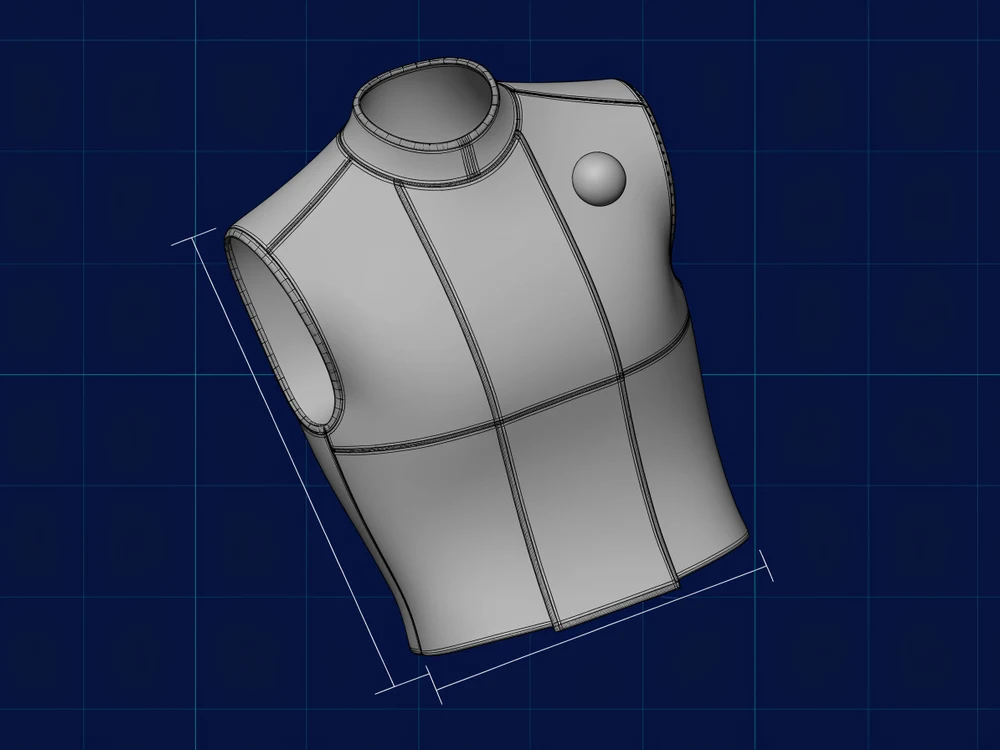
The sketches and CAD models that shaped the solution.
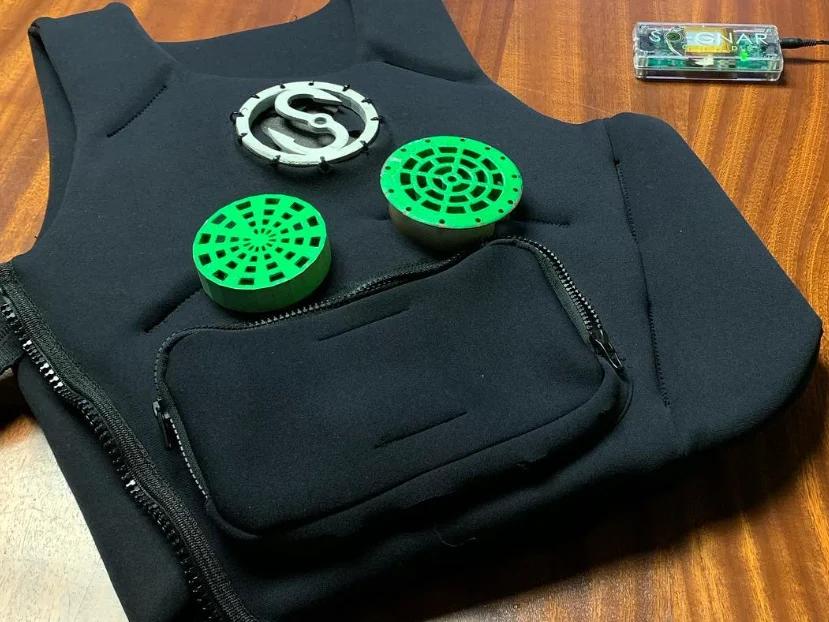
The physical versions used to test and refine the product.
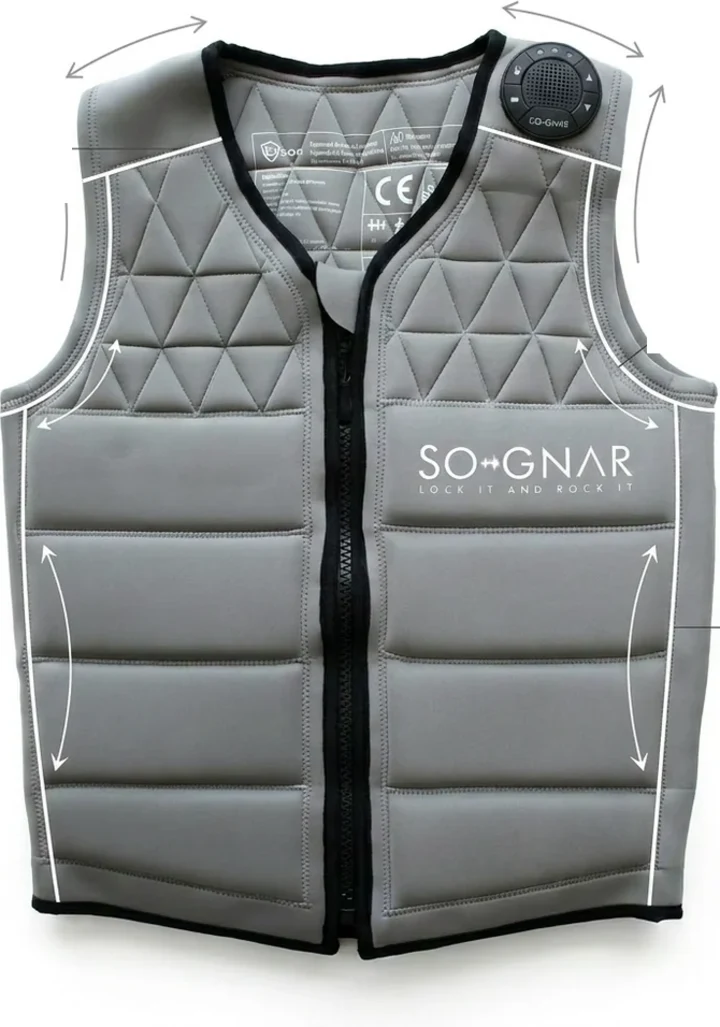
The result of taking the idea through development.
The sketch, the prototype and the finished product are real photographs of So-Gnar Sounds. The design image is an illustration of that stage.
FROM CONCEPT TO CLEAR SPECIFICATIONS
A sketch communicates the idea. Detailed engineering defines how the parts fit, what they’re made from, and how the product is intended to work.
Establish sizes, clearances, and how components connect.
Explore how the product moves, assembles, and functions.
Identify material requirements and potential components for the intended use.
Give potential suppliers a clearer scope so estimates rely on fewer assumptions.
WHAT YOU WALK AWAY WITH
Your project scope defines the deliverables. Depending on what your product needs, your package may include:
A documented brief covering intended use, key features, constraints, and design priorities.
Digital models that define the product’s geometry and show how its components fit together.
Drawings that communicate relevant dimensions, materials, tolerances, and assembly details.
An organized list of the parts, materials, and components included in the design.
A record of key decisions, revisions, and questions that still need physical testing.
An agreed set of files prepared for the intended handoff, whether that is prototyping or supplier review.
HOW WE DEVELOP YOUR DESIGN
We work through the design in stages, with review points to keep the work aligned with your product goals.
Review your idea, sketches, references, and any existing files. Establish what the product needs to do and the constraints it needs to meet.
Explore the product’s structure, components, and intended manufacturing approach. Resolve key design questions before adding detail.
Develop the digital model, examine how the parts fit together, and refine the design through the agreed review process.
Organize the agreed models, drawings, and supporting information for the next stage. Make any remaining assumptions and testing needs clear.
WORK THROUGH THE DETAILS EARLY
Changes to dimensions, fit, and assembly are often easier to explore in CAD than after physical parts or tooling have been made.
We use the design process to examine questions that can become expensive later:
CAD helps you make better-informed decisions. Prototyping and testing then show how those decisions perform in the real world.
A CLEAR HANDOFF
Your project agreement defines the deliverables, file formats, ownership terms, and any third-party restrictions before work begins.
Your scope identifies which native CAD files are included and the software used to create them.
Export formats are agreed based on the needs of your prototype builder or manufacturing contacts.
Your scope lists the drawings, parts lists, and design notes included in the handoff.
Your agreement documents your rights to use, modify, and share the completed work, including any conditions that apply.
You’ll know what you’re receiving and how you can use it for the next stage.
ENGINEERING EXPERIENCE
Product Blueprint Academy was founded by mechanical engineer, inventor, and entrepreneur Frank DeLuca.
Our approach connects design decisions to the practical questions that follow: how a product will be prototyped, assembled, tested, and prepared for manufacturing.
The goal is a design that communicates how your product is intended to work and gives the people building it the information they need to move forward.
Work through the relationships between parts, materials, and intended use.
Keep prototype needs, supplier questions, and manufacturing considerations part of the design conversation.
QUESTIONS ABOUT ENGINEERING & CAD
Yes. Share what you have, including sketches, reference images, dimensions, or a description of how the product should work. The initial review helps establish what needs to be developed.
We can review them as part of the project assessment. What happens next depends on their format, quality, and how much of the design is already complete.
No. CAD design creates the digital models and technical information. Prototyping creates a physical version so the design can be evaluated and tested.
It depends on the agreed scope and how much development and testing the product has completed. A design prepared for a first prototype may still need revisions before production.
Your project scope names them before work begins. Depending on what your product needs, the package may include product requirements, 3D CAD models, 2D technical drawings, a bill of materials, design review notes, and an agreed set of files for the next stage. The scope also identifies which native CAD files are included, the software used to create them, and the export formats your prototype builder or manufacturer needs.
Yes. Tell us who will receive the files so their requirements can be considered when we define the project and the handoff. Export formats are agreed based on what your prototype builder or manufacturer needs.
It’s set in your project scope before work begins: the review rounds included, and how additional changes are handled.
It depends on the product’s complexity, the quality of existing information, and the deliverables required. Timing and cost are set after we review the project, and we don’t publish prices.
WHAT COMES AFTER CAD
Your completed design package supports the next stage of development. Physical testing provides the evidence needed to refine it further.
Evaluate the product’s fit, feel, assembly, and intended function.
Identify what works, what needs adjustment, and whether specialist testing is required.
Use prototype findings and supplier feedback to guide the next round of engineering.
The handoff explains what has been designed, what still needs testing, and what should happen next.
MOVE YOUR PRODUCT FORWARD
Find your product’s stage and see whether engineering and CAD are the right next investment.
Start with the Product Blueprint assessment.
Education and done-for-you services. No guarantee of funding, manufacturing, launch, or sales outcomes.